When technical documentation arrives at a translation provider without any preparation, the consequences are predictable: longer turnaround times, higher costs, and terminology inconsistencies that require rework. Preparing a document before it enters the translation process is one of the most influential variables in final quality, and one of the most frequently overlooked.
What engineers should resolve before sending the file
The first step is to confirm the document is final. Translating draft versions creates rework. If the technical content is still subject to change, the translation will need to track those changes, often at additional cost and with loss of consistency between versions.
Beyond finalisation, the following are worth checking:
- Editable format: supply files in Word, InDesign, XML, or another editable format. Scanned PDFs or image files require the translator to reconstruct the document structure, which increases time and the risk of error.
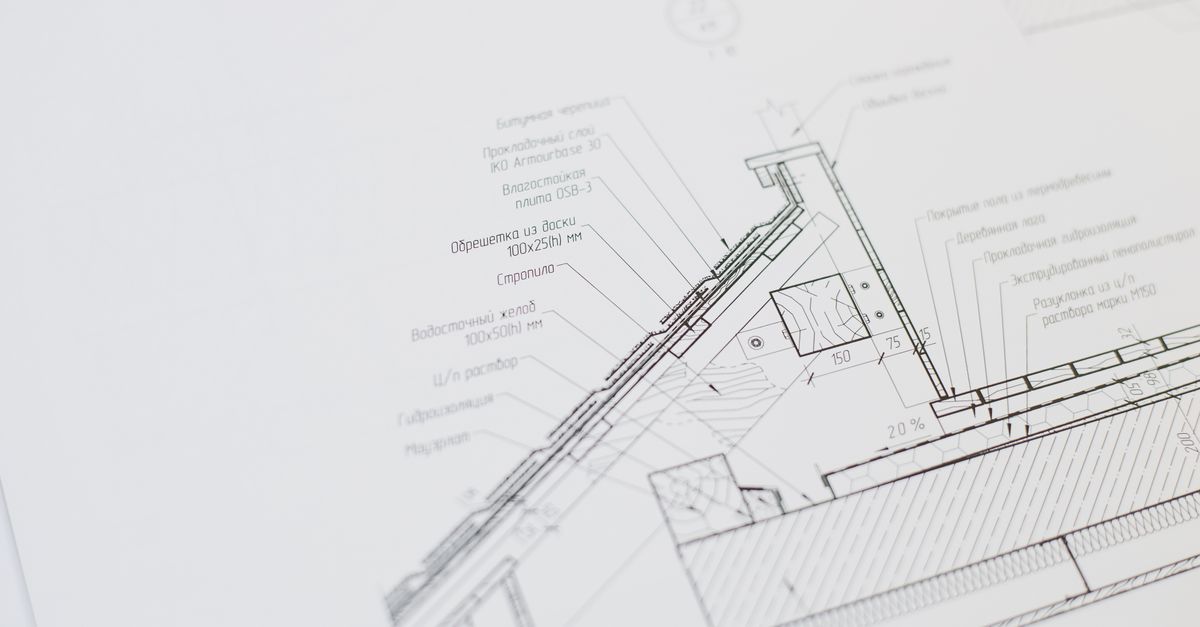
- Text embedded in images: captions, diagrams, and schematics with text baked into an image cannot be translated directly. Provide the source files or supply the text separately.
- Abbreviations and acronyms: list every abbreviation used in the document with its full meaning. In engineering, a single acronym can carry different meanings depending on the sector or the applicable standard.
- Cross-references: verify that internal references to sections, figures, and tables are correct before sending. An incorrect reference in the source reproduces in the translation.
Terminology: the most undervalued asset
The absence of a glossary is the most common cause of inconsistency in technical translation. When the same component is referred to by three different names in the source document, the translator has to make a choice. That choice may not match the terminology used by the maintenance team in the target country.
The solution is straightforward in principle and requires some effort in practice: create a terminology glossary before translation begins. It should include:
- The term in the source language
- The approved term in the target language
- Context of use, where necessary
- The standard or reference the term comes from (ISO, EN, IEC, and so on)
If the organisation already has previously translated documentation, those files are the natural starting point. An experienced technical translator can extract and validate terminology from existing translations, building a translation memory that speeds up future projects and maintains consistency.
For industrial machinery documentation, where terminological precision has direct implications for safety and maintenance, this preparatory work is especially critical. The article on translating industrial maintenance manuals explores this with sector-specific examples.
Technical context the translator needs to know
A technical document rarely exists in isolation. It is part of a documentation set: installation manuals, data sheets, safety procedures, conformity certificates. A translator who understands this context produces a translation that sits more coherently within the organisation's document ecosystem.
When submitting a technical translation project, it is useful to provide:
- Existing reference documentation: previously translated manuals, product data sheets, standards applicable to the equipment or system.
- Target audience: a manual for maintenance technicians requires a different register from an installation guide for the end user.
- Applicable standards and regulations: EN ISO 20607 for machinery instructions, the Machinery Directive 2006/42/EC, IEC 82079-1 for instructions for use. Specifying the reference standard prevents the translator from making assumptions.
- Target market: Spanish for Spain differs from Spanish used in Latin America; British English differs from American English in both spelling and terminology conventions. The target language variant should be clearly specified.
This level of detail is not administrative overhead. It allows the translator to make informed decisions rather than educated guesses.
File structure and version control
Technical documentation evolves. Firmware updates revise procedures. Engineering changes alter specifications. Without a clear version control system, it is difficult to know what has been translated, what has changed, and what needs updating.
Before starting a translation project, it is worth establishing:
- Clear and consistent version numbering throughout the document
- A list of sections changed from the previous version (useful for update translation, which is considerably more economical than retranslating the full document)
- Identification of segments that are reused text from other documents already translated
This organisation reduces the translation workload and makes it easier to maintain consistency across versions of the same product.
How M21Global works with technical documentation
M21Global has over 20 years of experience in technical translation across sectors including energy, industrial equipment, medical devices, and civil engineering. The process includes client-specific translation memory and glossary management, ensuring approved terminology is applied consistently across all projects.
For high-impact documentation such as safety manuals or certification documents, the Estratégica service tier involves three linguists working in independent stages, with separate review and quality control. For high-volume content with lower criticality, the IAH+ service combines machine translation with selective human review.
If the organisation is preparing technical documentation for translation and wants to identify the most suitable service for the specific case, contact M21Global to discuss the project.
Related Services
Request a free technical translation quote
- Request a free technical translation quote
- Translating Industrial Maintenance Manuals English Spanish
- Technical Document Translation Company
- User Manual Translation Services
Frequently Asked Questions
Why is a glossary important before translating technical documentation?
A glossary ensures that the same component or process is referred to consistently throughout the translated documentation. Without one, the translator has to infer the correct terminology, which can produce inconsistencies with the nomenclature used in the target country.
What file formats are most suitable for technical translation?
Editable formats such as Word, InDesign, XML, or HTML make the translator's work easier and reduce project time. Scanned PDFs or image files require document structure reconstruction, which increases both cost and the risk of error.
What should a briefing to a technical translation provider include?
It should include the document's target audience, the required language variant, applicable technical standards, any existing reference documentation, and an approved terminology glossary where available.
How should updates to a previously translated technical document be managed?
With a clear version control system and a list of changed sections, only new or modified segments need to be translated. This significantly reduces the workload compared to retranslating the full document.
Does IEC 82079-1 affect how technical manuals should be translated?
Yes. IEC 82079-1 sets out requirements for the preparation of instructions for use, including clarity of language, structure, and audience suitability. An experienced technical translation provider should be familiar with this standard and apply its principles in the target language.