- What makes technical specification translation different
- Controlled terminology: the foundation of reliable technical translation
- Standards, units, and formatting conventions
- Choosing the right service level for technical specifications
- Engineering technical translation with M21Global
- Related Services
- Frequently Asked Questions
Engineering technical specifications leave no room for ambiguity. A mistranslated dimensional tolerance, a material requirement rendered as a recommendation, or an incorrectly handled unit of measure can compromise manufacturing, safety, or regulatory compliance across an entire product line. Translating these documents requires far more than fluency in the target language.
What makes technical specification translation different
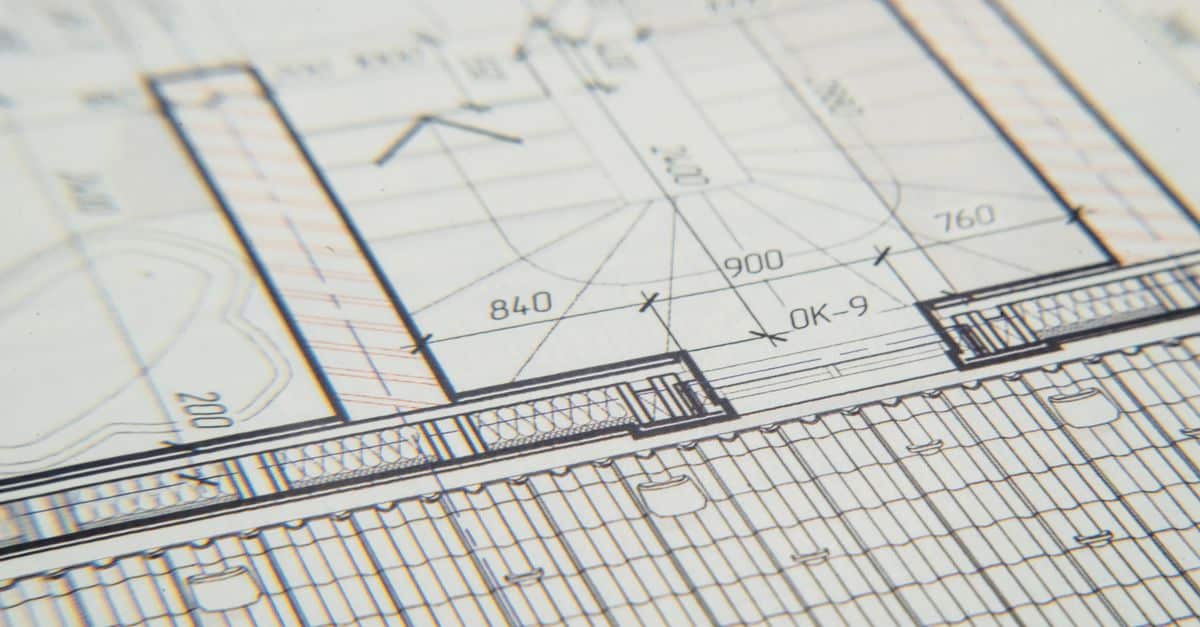
Engineering technical specifications cover a wide range of documents: requirements sheets, design specifications, material specifications, internal product standards, and quality control documentation. What sets them apart from other technical content is the terminological density and the functional weight of every sentence.
In these documents, each word carries a consequence. Terms like *yield strength*, *surface roughness class*, *proof pressure*, or *fatigue limit* refer to physical quantities with exact values. Without domain training or access to a controlled glossary, a translator can introduce conceptual errors that are invisible to a non-specialist reader but operationally significant.
The source language also matters. Specifications written in technical German, in English following ASTM or ISO conventions, or in Japanese for export markets carry distinct technical writing conventions. A competent translator knows those conventions in the source language and knows how to represent them correctly in the target.
Controlled terminology: the foundation of reliable technical translation
The most common failure in unprepared technical specification translation is terminological inconsistency. The same component can appear under three different names in a single document. Without a client-approved glossary, a translator will either reproduce that inconsistency or introduce new ones.
A structured technical translation process begins with terminology before the translation itself. That means:
- Extracting key terms from the source document
- Verifying correct equivalents against international standards (ISO, EN, ASTM, DIN) or the client's existing technical documentation
- Building a validated bilingual glossary before the translation begins
- Applying that glossary consistently, supported by translation memory tools
This preparation reduces error risk significantly and speeds up future revisions, which matter in projects with frequent specification updates.
For higher-complexity projects, such as specifications supporting equipment certification or international tender submissions, the translation should include independent review by a second specialist. The article on technical document translation explains in detail how a professional workflow is structured and what separates it from an ad-hoc approach.
Standards, units, and formatting conventions
Engineering technical specifications frequently reference international or national standards. When a document specifies a test according to ISO 6892-1 or a requirement in line with EN 13480, the translator needs to know that standard exists and whether there is an equivalent or adopted version in the target country.
Units of measurement are another critical point. A technical document using imperial units (inches, psi, Fahrenheit) may need conversion to metric, or it may be necessary to retain the original values with the target unit noted in parentheses. The decision depends on the client and the intended use of the document. A translator should not make that call unilaterally.
Formatting has functional consequences too. Tolerance tables, parameter lists with units, and revision numbering schemes (Rev. A, Rev. B, etc.) must be preserved in the target document structure. Formatting changes that appear minor can affect the readability of critical values or the traceability of the document.
For projects involving industrial machinery specifications, the considerations covered in the article on translating industrial maintenance manuals are directly relevant, as many of the same terminological and normative requirements apply.
Choosing the right service level for technical specifications
Not all specifications carry the same risk. An internal working specification used only to guide a production team can tolerate a more streamlined process. A specification that underpins a supply contract, a quality audit, or a product certification cannot.
For high-impact documents, the appropriate workflow includes translation by a domain specialist, independent review by a second linguist with equivalent technical training, and a final quality check. This is the level that ensures the target document carries the same functional and legal value as the source.
For internal reference documentation or large volumes of preliminary specifications, a workflow with selective human review over machine translation may be appropriate, with explicit acceptance of a residual error rate.
The choice of service level should be based on the actual use of the document, not on cost alone or on an assumption that all technical documents are equivalent.
Engineering technical translation with M21Global
M21Global has been translating engineering documentation for Portuguese and international companies for over 20 years, including product specifications, design requirements, and compliance documentation. The technical translation service includes terminology management, translation memory application, and specialist review workflows for high-impact documents. M21Global is ISO 17100:2015 certified by Bureau Veritas, which means the process is audited and traceable.
If you have engineering specifications to translate, contact M21Global with details of the volume, language pair, and required timeline to receive a quote.
Related Services
Request a free technical translation quote
- Request a free technical translation quote
- Translating Industrial Maintenance Manuals English Spanish
- Technical Document Translation Company
- User Manual Translation Services
Frequently Asked Questions
What is required to translate engineering technical specifications accurately?
A translator with domain expertise in the relevant engineering field, a validated terminology glossary, and an independent review step for high-impact documents. Access to the international standards referenced in the source document is also essential.
Can machine translation be used for engineering specifications?
It can be used for internal reference documentation or preliminary project phases, with selective human review. For specifications that underpin contracts, certifications, or audits, full specialist human review is required given the risk associated with terminological errors.
How is terminological consistency maintained in a technical translation?
Consistency is maintained by building a client-approved bilingual glossary before translation begins, combined with translation memory tools that automatically apply validated terms throughout the document.
Should units of measurement be converted when translating technical specifications?
This depends on the intended use of the document and explicit client instruction. In some cases, original units should be retained with the equivalent noted in parentheses; in others, full conversion is required. Translators should not make this decision without clear guidance.
Does M21Global translate engineering technical specifications?
Yes. M21Global has over 20 years of experience translating engineering documentation, including product specifications, design requirements, and compliance documentation. The company is ISO 17100:2015 certified by Bureau Veritas.