Companies dealing with technical documentation for the first time often treat translation as a single, uniform service. A maintenance manual, a safety data sheet and a company newsletter all involve moving words from one language to another, but the similarities end there. The difference between general translation and technical translation is not a matter of difficulty; it is a matter of what is at stake when something goes wrong.
What makes a text technical
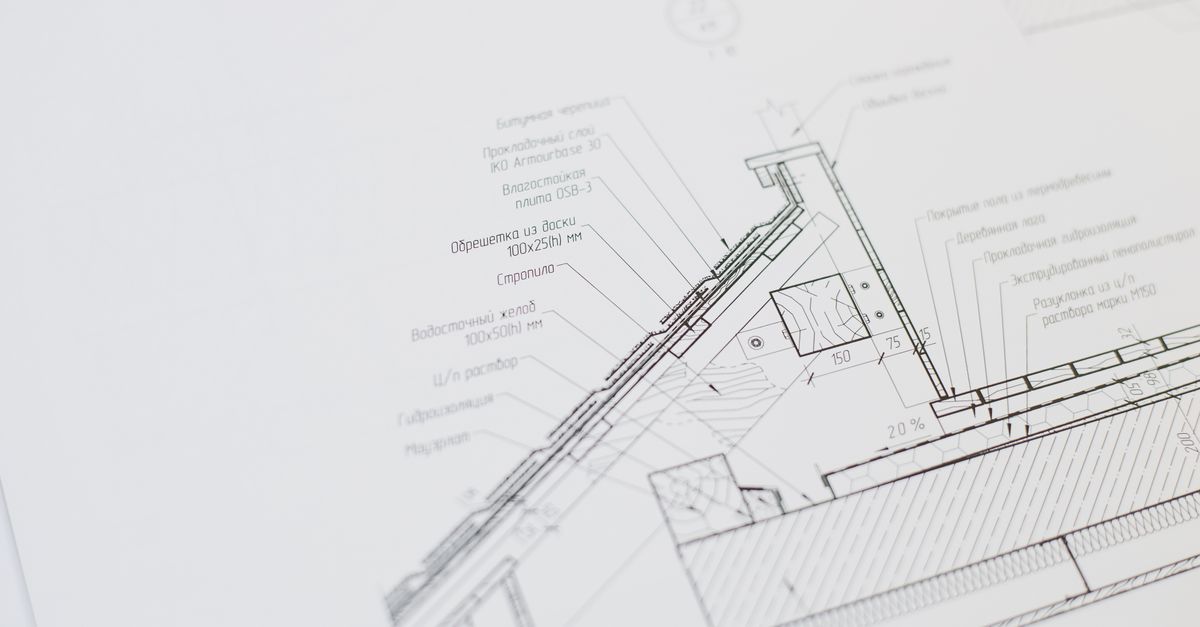
A technical text is not simply a complex or specialist piece of writing. It is a document written to perform a specific function: to instruct, specify, certify or record. Common examples include operation and maintenance manuals, safety data sheets (SDS), instructions for use of medical devices, engineering specifications, inspection reports, and patents.
These documents share characteristics that set them apart from general content. The vocabulary is terminological: each term carries a precise meaning within a defined domain and cannot be replaced by a common synonym without risking ambiguity or error. The structure is often standardised: international standards such as IEC 82079-1 for instructions for use, or the EU Medical Device Regulation, prescribe what a document must contain and how it must be organised. The intended reader is a qualified professional who will act on the information provided.
How technical translation differs from general translation
General translation covers texts without specific terminological or regulatory constraints: articles, correspondence, marketing copy, presentations. The translator needs a strong command of both languages and a reasonable understanding of the subject matter. There is more room for interpretation, and the consequences of an imprecision are usually limited.
Technical translation operates under different constraints. An error in a safety procedure can cause accidents. Inconsistent terminology in a medical device document can jeopardise regulatory approval. A mistranslated specification in a tender can lead to contractual disputes. For this reason, technical translation requires three things that general translation can often do without:
- Domain knowledge: the translator must understand what they are translating, not just the words. A gas turbine manual requires familiarity with mechanical engineering. An instructions for use document for a surgical device requires knowledge of anatomy and regulated medical terminology.
- Terminology management: companies producing technical documentation use specific terms consistently. Those terms must be identified, validated and applied uniformly across the project, which requires glossaries and translation memories.
- Standards compliance: many technical documents must conform to international standards or sector regulations. The translator and reviewer need to know those standards to ensure the translated version remains compliant.
Sectors where technical translation is most critical
Technical translation appears across almost every industrial sector, but some contexts place particularly high demands on accuracy.
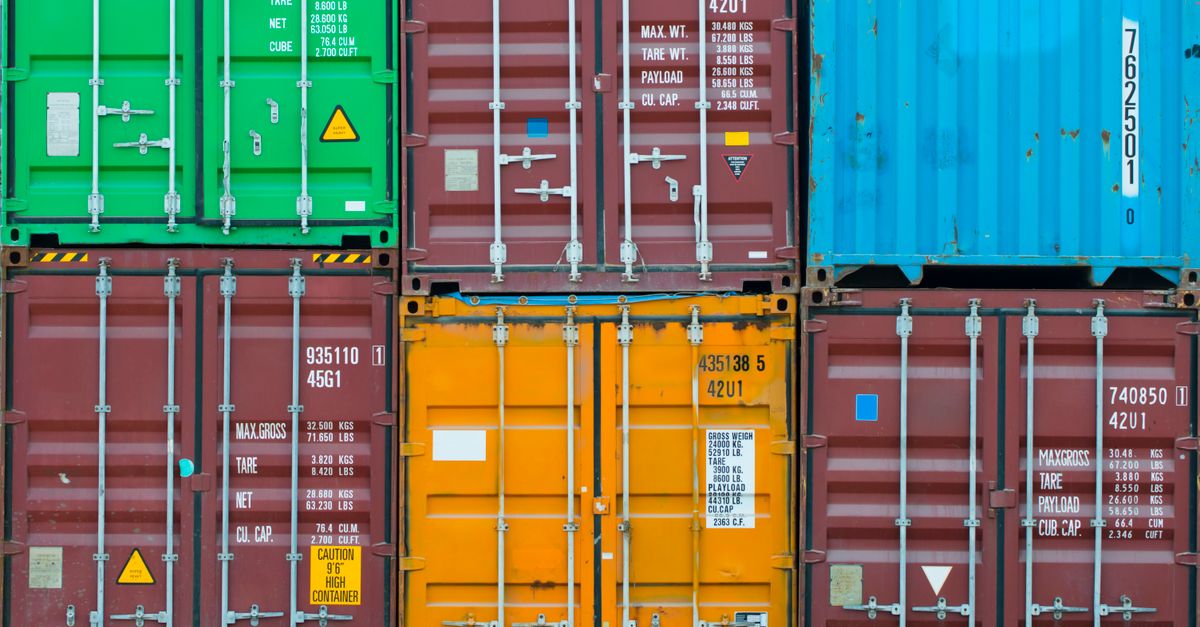
In manufacturing and engineering, translating industrial maintenance manuals is a routine operational requirement. Equipment imported from Germany, Japan or China arrives with documentation in the manufacturer's language, and maintenance teams need clear instructions in their working language.
In healthcare and medical devices, European legislation requires that instructions for use are available in the official language of the country where the device is placed on the market. Translation errors in this context carry direct regulatory and safety implications.
In the chemical and pharmaceutical sector, safety data sheets must comply with the CLP Regulation and the GHS system, with internationally standardised hazard terminology. An incorrectly translated hazard classification can have legal consequences.
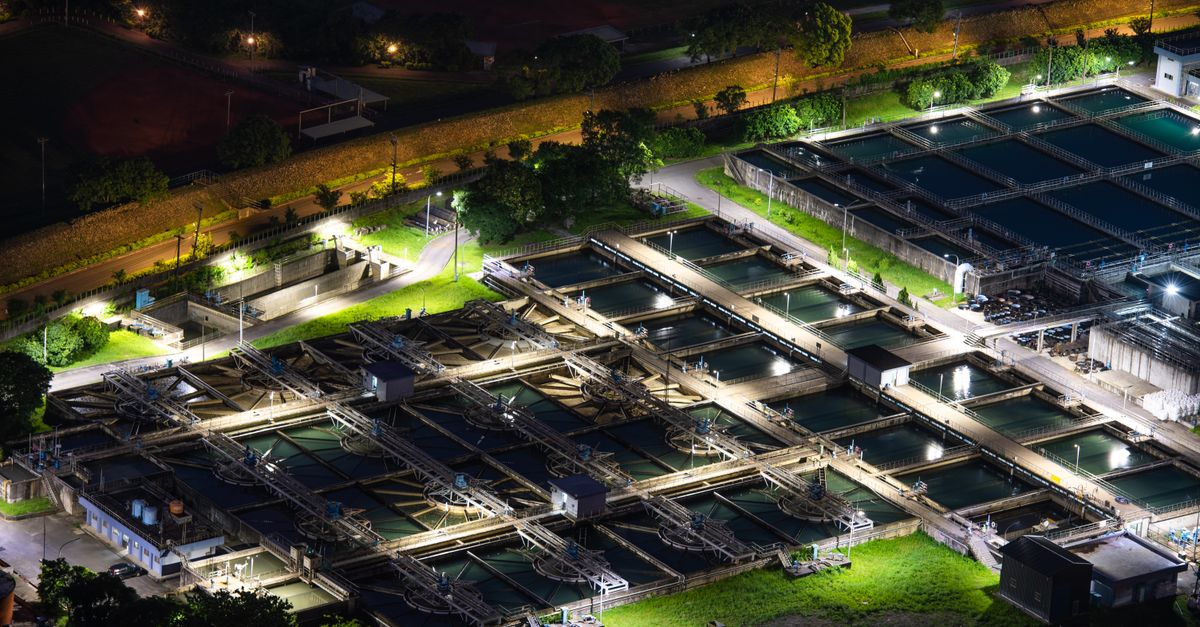
In the energy and infrastructure sector, technical specifications, inspection reports and compliance documentation circulate across multiple countries and must be translated with terminological precision and complete fidelity to the source content.
How M21Global approaches technical translation
Technical translation is not an area for approximation. M21Global works with translators who are specialised by domain, combining subject-matter knowledge with structured terminology management. High-impact projects follow the ISO 17100 workflow, with three linguists involved and quality control at each stage. For large volumes of reference documentation where speed is a priority, the IAH+ workflow combines AI translation with selective human review, maintaining terminological consistency while reducing turnaround times. Find out more about M21Global's technical translation services and which workflow is best suited to the organisation's documentation needs.
Related Services
Request a free technical translation quote
- Request a free technical translation quote
- Translating Industrial Maintenance Manuals English Spanish
- Technical Document Translation Company
- User Manual Translation Services
Frequently Asked Questions
What is technical translation?
Technical translation is the translation of specialised documents such as manuals, safety data sheets, engineering specifications and instructions for use. It requires domain knowledge, consistent terminology management and, in many sectors, compliance with international standards or regulations.
What is the difference between technical translation and general translation?
General translation covers texts without specific terminological or regulatory requirements. Technical translation requires the translator to understand the subject domain, apply standardised terminology consistently, and in some sectors, ensure the translated document conforms to the standards or regulations governing the original.
What types of documents require technical translation?
Operation and maintenance manuals, safety data sheets, instructions for use for medical devices, patents, engineering reports and tender specifications are the most common examples. Any document that describes a specialised process, system or piece of equipment is likely to require technical rather than general translation.
Can a general translator handle technical documentation?
A general translator can render the words, but is unlikely to guarantee the terminological precision and regulatory compliance that technical documentation demands. In sectors such as medical devices or industrial chemistry, that gap can carry safety or legal consequences.
Does technical translation always require ISO 17100 certification?
ISO 17100 is not legally mandatory in all cases, but it defines a quality process with independent review that is recommended for high-impact documentation. For internal or reference documents, alternative workflows can offer a good balance between quality, cost and delivery time.