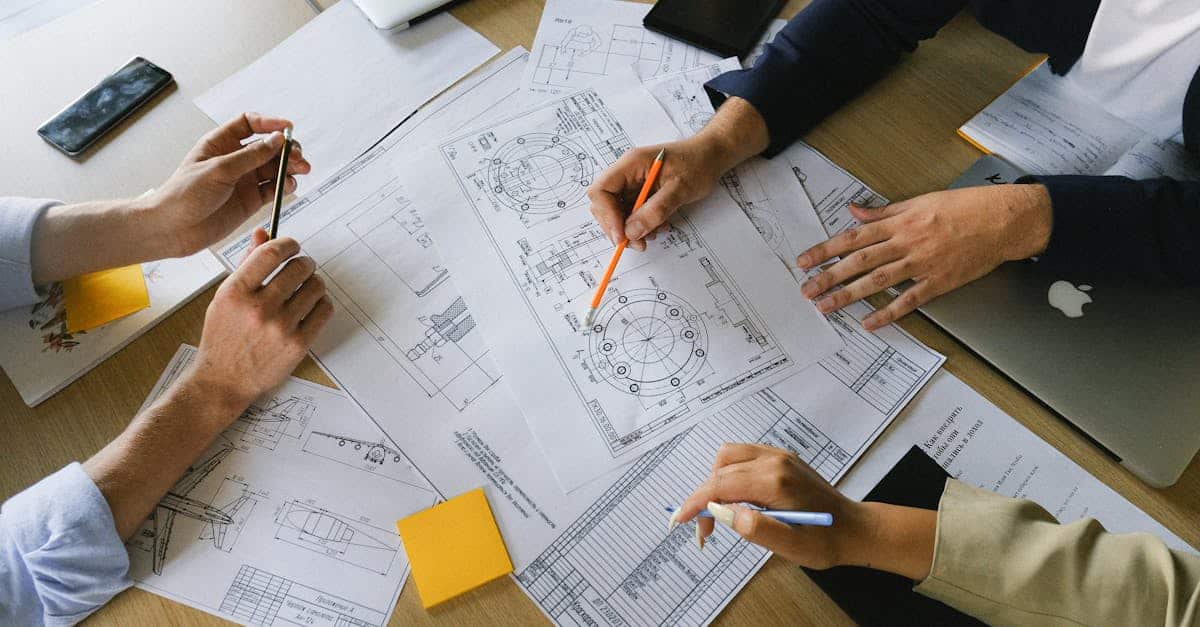
Translating a 50-page manual is a manageable task. Translating a technical documentation library spanning thousands of pages, across multiple languages, with frequent updates and tight deadlines, is a project management operation. Companies that treat these as the same kind of work end up with inconsistent terminology, runaway costs, and delays that affect product launches.
What makes technical documentation different from other content
Technical documentation has specific characteristics that demand a structured approach from the outset. The vocabulary is controlled: a component has one name, and that name must not vary between the installation manual, the maintenance manual, and the product datasheet. The structure is repetitive: procedures, safety warnings, specifications. And the volume accumulates quickly when working with product families or multi-language releases.
These characteristics have direct implications for project management. Terminological consistency does not happen by chance. It requires approved glossaries, maintained translation memories, and reviewers who understand the technical domain. Without these tools, each translator solves problems independently, and the inconsistencies show up in the finished documentation.
Repetitive structure, on the other hand, is an advantage when properly exploited. Identical or near-identical segments do not need to be translated from scratch on every project. A well-maintained translation memory reduces the actual work and ensures that the language used today is consistent with what was used two years ago.
Planning before the files are sent
The most common failure in large-volume projects is starting to translate before the process is defined. Several decisions need to be made before any file reaches a translator.
Define the actual scope. Which documents need to be translated? Into which languages? To what quality level? Not all technical documentation carries the same impact. An external user manual has different requirements from an internal work instruction. Treating both under the same workflow wastes resources.
Prepare the linguistic assets. A terminology glossary approved by engineering or product teams, a translation memory built from previous projects, and a style guide if one exists. These assets reduce translation time, improve consistency, and simplify review. If they do not exist, it is worth building them before scaling volume.
Agree on the delivery format. Technical documentation arrives in many formats: XML, DITA, FrameMaker, InDesign, Word, layered PDF. The translation provider must be able to process these formats directly. Converting everything to Word because of compatibility gaps creates more problems than it solves.
Set the review workflow. In large-volume projects, who handles technical review on the client side? Are they available to answer terminology questions during the project? An accessible technical reviewer during translation is worth more than an exhaustive review at the end.
Workflow structure for large volumes
Projects involving tens or hundreds of thousands of words need to be broken into managed batches. Translating everything at once and delivering everything at the end exposes the project to unnecessary risk: a problem identified late affects the entire volume.
A functional workflow for large-volume technical documentation typically includes these phases:
- Analysis and preparation: word count, identification of repetitions and TM matches, terminology extraction for client validation.
- Batch translation: phased delivery by document or document set, with progressive review.
- Terminological and technical review: consistency check across batches, validation by the client's technical specialist.
- Quality control: verification of formatting, tags, variables, and segment completeness.
- Delivery and TM update: the project closes with linguistic assets updated for the next cycle.
This structure applies to projects such as industrial maintenance manual translation and any other technical documentation of comparable volume and complexity.
Technology: what to use and why
Computer-assisted translation (CAT) tools are the technological core of any large-volume project. They are not optional. Translation memory, terminology management, and repetition analysis are basic features that any serious provider uses.
For very high volumes with short deadlines, post-editing of machine translation (PEMT) can be part of the solution. The question is not whether to use machine translation, but in which segments it makes sense. Highly repetitive, structured content with low quality risk is a good candidate. Safety warnings, critical procedure instructions, and regulatory content within manuals are not.
Translation management systems (TMS) integrated with the client's content management system (CMS or CCMS such as Author-it or Vasont) eliminate manual file transfers and reduce the risk of error in partial updates. For organisations with frequent documentation update cycles, this integration delivers clear return.
Managing updates and versions
Technical documentation is not static. Products evolve, regulations change, procedures are revised. Managing updates across multilingual projects is, in many cases, more complex than the initial project.
The core principle is to translate only what has changed. A diff analysis between the previous version and the new one identifies modified segments. The TM covers what remained the same. The cost and time for an update are a fraction of the original project, provided the linguistic assets are properly maintained.
This requires discipline: version control of source documents, consistent file naming conventions, and a defined process for communicating changes to the translation provider. Without this control, every update becomes a new project.
How M21Global handles large-scale technical documentation
For companies assessing a provider for technical documentation at scale, M21Global's technical translation service covers the full project lifecycle: analysis, batch coordination, linguistic asset management, and delivery in source formats. With over 20 years of experience and more than 445 million words translated across industrial, technology, and regulatory contexts, the project management team handles the operational complexity so that clients focus on content, not on translation logistics. Contact M21Global to discuss your project scope, languages, and timelines.
Related Services
Request a free technical translation quote
- Request a free technical translation quote
- Translating Industrial Maintenance Manuals English Spanish
- Technical Document Translation Company
- User Manual Translation Services
Frequently Asked Questions
What is a translation memory and why does it matter for large technical documentation projects?
A translation memory is a database that stores previously translated segments. In technical projects with repetitive content or frequent updates, it allows approved translations to be reused, ensures consistency across documents, and significantly reduces the time required for subsequent projects.
How do you maintain terminological consistency when multiple translators work on the same project simultaneously?
Consistency requires a shared, approved terminology glossary supported by CAT tools that flag deviations during translation. Without this mechanism, each translator makes independent decisions and the result is inconsistent vocabulary across documents and product lines.
Is machine translation suitable for technical documentation?
It depends on the content type. Repetitive segments, parts catalogues, and structured technical specifications are reasonable candidates for post-edited machine translation. Safety warnings, critical procedures, and regulatory content should be translated and reviewed by qualified human translators.
How are costs calculated when updating a technical translation after the source document changes?
Update costs depend on the proportion of content that has actually changed. A diff analysis identifies new or modified segments; unchanged segments are covered by the translation memory. The volume requiring active work is substantially lower than the original project, as long as the linguistic assets have been properly maintained.
What file formats should a technical translation provider be able to handle?
Common formats include XML, DITA, FrameMaker, InDesign, Word, and layered PDF. A provider specialising in technical translation should process these formats directly, without converting to Word, in order to preserve formatting and reduce the risk of errors in the final deliverable.