- What technical terminology is and why it matters
- How to structure a technical glossary for industrial documentation
- Standards that guide terminology management in technical translation
- Common terminology errors in industrial documentation
- How to assess whether a translation provider manages terminology properly
- How M21Global manages terminology in industrial projects
- Related Services
- Frequently Asked Questions
Industrial documentation translation fails for a predictable reason: inconsistent terminology. Not because of weak language skills, but because every company, every sector, and every target market has its own terms. Without a system to manage them, consistency breaks down across documents.
What technical terminology is and why it matters
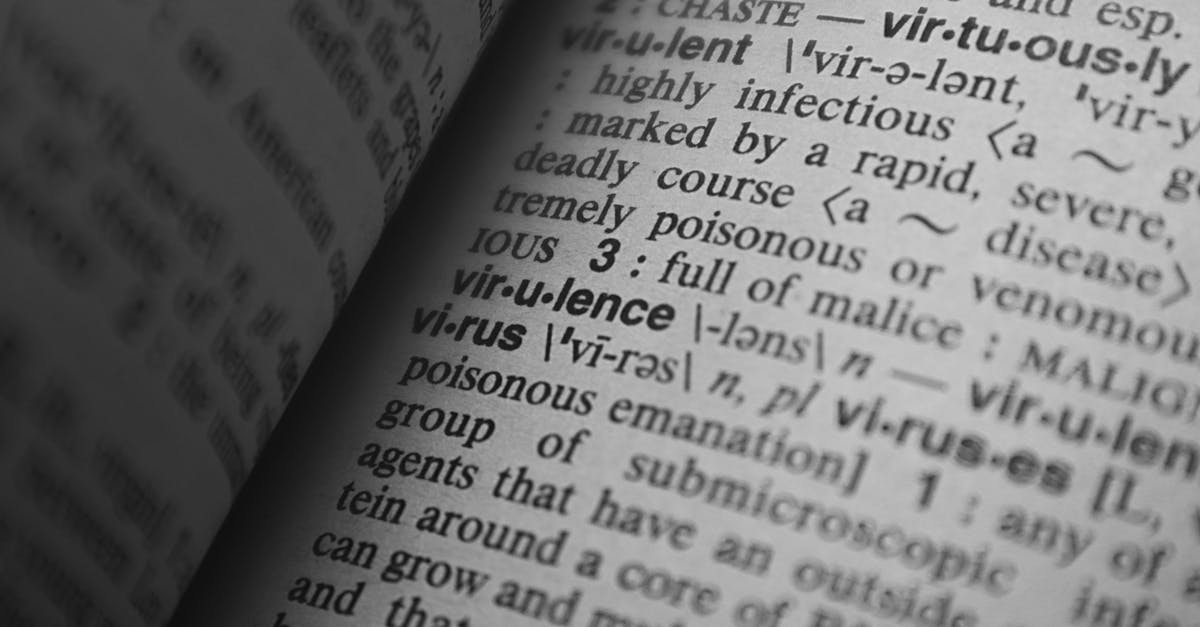
Technical terminology is the set of terms specific to a field of knowledge that carry a precise, stable meaning within that field. On a factory floor, "scheduled downtime" and "breakdown" are not interchangeable, even though both describe a machine that is not running. In a safety manual, "protective device" and "guard" may refer to the same physical component, but the wrong choice can invalidate compliance with standards such as EN ISO 12100.
Terminology matters for three concrete reasons. First, safety: operating instructions with ambiguous terms cause human error. Second, regulatory compliance: directives such as the Machinery Directive (2006/42/CE) and its forthcoming replacement require unambiguous language in technical documents. Third, operational efficiency: maintenance teams working with inconsistent terminology lose time interpreting instructions they should be executing.
How to structure a technical glossary for industrial documentation
A technical glossary is not a list of difficult words. It is a database of terminology decisions made deliberately. For industrial documentation, a functional glossary entry should include:
- Source term (in the source language)
- Validated equivalent (in the target language)
- Definition in the company or sector context
- Usage context: the document types where the term appears (operating manual, datasheet, maintenance procedure)
- Excluded terms: variants that must not be used and the reason why
- Source: a standard, a client instruction, or an internal decision
This structure prevents the common situation where different translators or different projects use "motor" in one section and "drive unit" for the same component in another, creating ambiguity in technical records.
For sectors such as industrial machinery, translating maintenance manuals presents specific terminology challenges, particularly the distinction between standardised component names and the manufacturer's proprietary designations.
Standards that guide terminology management in technical translation
ISO 17100:2015 defines requirements for translation services and includes the management of linguistic resources, which covers terminology. The specific reference standard for terminology management is ISO 30042, which establishes principles for creating and maintaining terminology systems.
For industrial documentation in export or European compliance contexts, the relevant standards also include:
- ISO 80000: terminology for quantities and units of measurement
- IEC 60050 (IEV): the International Electrotechnical Vocabulary, available online
- EN ISO 12100: safety terminology for machinery
- IATE: the European Union's terminological database, useful for regulatory documentation
Knowledge of these sources is what separates a qualified technical translator from a general-purpose translator. Command of the target language is not enough: the translator must know where to verify whether a term is already standardised before proposing a new equivalent.
Common terminology errors in industrial documentation
Review projects on industrial documentation reveal recurring error patterns. Knowing them helps assess the quality of a translation before approving it.
Technical false cognates. In English, "control" can mean control or command depending on context. "Safety" can mean the absence of hazard or refer specifically to safety functions as defined in IEC 61508. Translating mechanically produces errors that only a technically trained reviewer will catch.
Mixed terminology within the same document. This happens when text is translated in sections without shared translation memories or a shared glossary. The result: "fixing bolt" in section 2 and "fastening screw" in section 7 for the same component.
Unrecognised proprietary designations. Manufacturers assign internal names to components or systems. Without access to the client's reference documentation, the translator replaces the proprietary name with a generic term that does not match the spare parts catalogue or the maintenance management system.
Units and formats not adapted. Converting units (imperial to SI) and adapting date formats, torque values, and temperature scales is part of technical translation, not an optional extra. Omitting these adaptations creates real operational risk.
How to assess whether a translation provider manages terminology properly
When evaluating a provider of technical translation services for industrial documentation, terminology management is a qualification criterion, not a secondary differentiator. The practical questions to ask are:
- Does the provider maintain glossaries per client and per project, or does it use generic terminology?
- Does it use CAT tools with integrated translation memories?
- Do the translators have technical training in the project's subject area, or only linguistic competence?
- Does the workflow include review by a second specialist, independent of the translator?
- Does the provider request reference materials (existing manuals, parts lists, applicable standards) before starting the project?
A provider that does not ask these questions before quoting is treating industrial technical documentation as general-purpose translation. The results reflect that decision.
For high-volume projects or documentation with regulatory impact, such as compliance manuals or safety data sheets, an ISO 17100-certified workflow ensures that terminology review is independent, consistent, and documented.
How M21Global manages terminology in industrial projects
M21Global builds client glossaries from the first project. For industrial documentation, the workflow includes creating or updating validated terminology glossaries integrated into each project's translation memories. Translators have technical training in their subject areas. Projects with compliance requirements follow the Estratégica workflow, which involves three linguists and two post-delivery revision rounds.
With more than 300 million words translated and ISO 17100:2015 certification audited by Bureau Veritas, M21Global has the processes to ensure that the terminology used in the operating manual matches what appears in the maintenance procedure and the technical datasheet. To assess the scope of a project and receive a proposal, contact the M21Global technical team.
Related Services
Request a free technical translation quote
- Request a free technical translation quote
- Translating Industrial Maintenance Manuals English Spanish
- Technical Document Translation Company
- User Manual Translation Services
Frequently Asked Questions
What is a technical glossary and why does industrial translation need one?
A technical glossary is a database of validated terms with their equivalents in other languages, definitions, and usage context. In industrial translation, it ensures that the same component or process is always designated by the same term, regardless of the document or the translator working on it.
Which standards govern terminology management in technical translation?
ISO 30042 defines principles for terminology systems. ISO 17100:2015 covers the management of linguistic resources, which includes terminology. For specific sectors, standards such as EN ISO 12100 (machinery safety) and IEC 60050 (electrotechnical vocabulary) serve as terminological references.
What is the difference between a technical translator and a general translator?
A technical translator has proven training or experience in the document's subject area, knows the applicable standards, and knows how to verify terminology in specialist sources such as IEC 60050 or IATE. A general translator commands the language but may not recognise proprietary designations, standardised units, or the regulatory requirements of the sector.
Does unit conversion form part of industrial technical translation?
Yes. Adapting units (from imperial to SI, for example) and adjusting date formats, torque values, and temperature scales is an integral part of accurate technical translation for industrial documentation. Omitting this adaptation creates operational risk and may compromise compliance with European standards.
How can I tell if a translation provider manages terminology consistently?
Ask whether the provider maintains per-client glossaries and uses CAT tools with integrated translation memories. As a quick check on delivered work, look for variant terms for the same component within the same document: that is an immediate sign of insufficient terminology management.