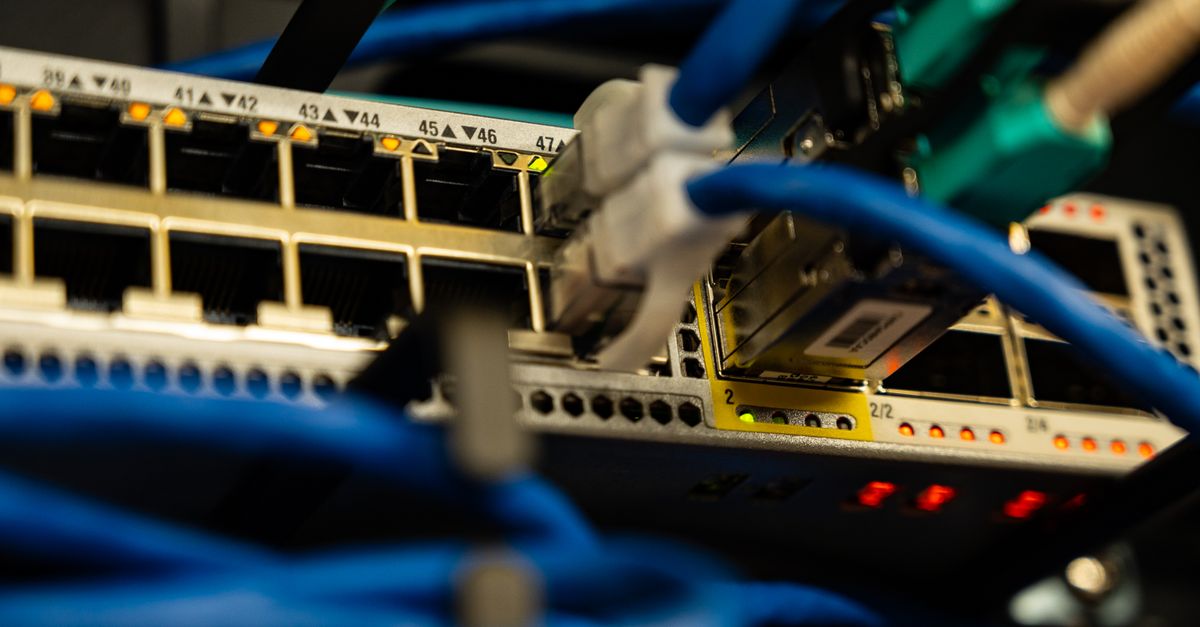
- What is at stake in telecoms documentation translation
- Controlled terminology: the critical factor in this sector
- Language pairs most in demand for telecoms operators
- Volume, urgency, and format: planning delivery
- M21Global: technical translation for telecoms with 20 years of experience
- Related Services
- Frequently Asked Questions
International telecoms operators produce and receive substantial volumes of technical documentation: equipment specifications, configuration manuals, network protocols, commissioning procedures, and regulatory compliance reports. When that documentation crosses language boundaries, translation quality is not a matter of preference; it is a direct operational risk.
What is at stake in telecoms documentation translation
Telecommunications networks have very low tolerance for ambiguity. A poorly translated BGP configuration procedure, an imprecise QoS parameter description, or a misread failover instruction can cause service outages, unplanned downtime, or security incidents. Technical documentation in this sector covers a wide range of document types:
- Network equipment specifications (routers, switches, firewalls, OLTs, ONUs)
- Infrastructure installation and commissioning manuals
- Protocol documentation (BGP, OSPF, MPLS, SIP, VoIP, SD-WAN)
- Operations and maintenance (O&M) procedures
- Tender specifications and supply contracts
- Regulatory audit and compliance reports (Ofcom, ANACOM, ARCTEL-CPLP, ANATEL)
- API and network management interface documentation
Each document type carries its own terminology requirements. Consistency across a document set matters as much as the accuracy of any individual document.
Controlled terminology: the critical factor in this sector
Telecommunications is a sector with highly standardised terminology, but also one that is deeply stratified. The same acronym can mean different things depending on the vendor (Ericsson, Nokia, Huawei, and Cisco each maintain proprietary vocabularies), the reference standard (3GPP, IETF, ITU-T, IEEE), and the deployment context (core network, access network, transport). A translator without specific sector experience tends to default to literal equivalents that are technically incorrect.
Glossary management and translation memory are therefore operational components of the process, not optional add-ons. For operators producing documentation continuously, consistent terminology across versions, teams, and languages is an auditable quality requirement.
M21Global's technical translation services include the construction and maintenance of client-specific glossaries as a standard deliverable. Proprietary terms, feature names, and sector acronyms are applied consistently across every document in the project.
Language pairs most in demand for telecoms operators
The international telecoms market generates specific translation needs. Operators in Portuguese-speaking markets frequently work with English-language technical documentation from equipment manufacturers, which must be adapted for teams in Portugal, Angola, Mozambique, or Brazil. At the same time, documentation originally produced in Portuguese or Spanish needs to be translated into English, French, or German for international tenders or partnerships with European operators.
The most common language pairs in this sector include:
- English into European and African Portuguese
- Portuguese into English, French, and Spanish
- English into Spanish and French
- Chinese into English and Portuguese (Huawei and ZTE documentation)
- Arabic into English and Portuguese
M21Global's direct presence in Portugal, Angola, and Brazil means these flows are managed with first-hand knowledge of local markets and regulatory requirements.
Volume, urgency, and format: planning delivery
Telecoms documentation presents specific project management challenges. Volumes are often large: a tender specification for a mobile network deployment can run to hundreds of thousands of words. Delivery windows are frequently tight, aligned with proposal submission dates or network rollout schedules.
Formats also vary considerably: technical XML, DITA, Confluence-based documentation, Word files with parameter tables, PDFs containing network diagrams, and Markdown for code repositories. The ability to process these formats without losing structure is a practical requirement, not a preference.
For high-stakes documents such as supply contracts, technical specifications for public tenders, or regulatory reports, M21Global's Estratégica workflow applies three linguists (translator, reviewer, and QA reviewer), audited to ISO 17100, with a 0% expected error rate. For large volumes of internal reference documentation, the IAH+ workflow (AI translation with selective human review) provides faster turnaround capacity.
Selecting the right workflow depends on the document type, the intended audience, and the risk associated with an error. M21Global helps make that assessment before any project begins. The process is comparable to the approach used for translating industrial maintenance manuals, where the same variables apply.
M21Global: technical translation for telecoms with 20 years of experience
With over 445 million words translated, ISO 17100:2015 certification from Bureau Veritas, and direct presence in the main Portuguese-speaking and European markets, M21Global has the capacity and experience to manage network and telecoms documentation translation at the quality levels the sector demands. The company's track record in technical document translation spans sectors with comparable terminology rigour, including energy, manufacturing, and information technology.
Request a quote at m21global.com and receive a proposal tailored to your volume, language pair, and quality requirements.
Related Services
Request a free technical translation quote
- Request a free technical translation quote
- Translating Industrial Maintenance Manuals English Spanish
- Technical Document Translation Company
- User Manual Translation Services
Frequently Asked Questions
What types of telecoms documentation can be translated professionally?
Equipment specifications, installation and commissioning manuals, network protocol documentation, O&M procedures, tender specifications, regulatory compliance reports, and API documentation are among the most common types. Vendor-specific documentation from manufacturers such as Huawei, Ericsson, Nokia, and Cisco is also handled regularly.
How is terminological consistency maintained across a large documentation set?
Through client-specific glossaries and translation memories that are built, maintained, and updated throughout the project. These resources are reused across future projects, ensuring the same terms are always translated the same way.
How long does it take to translate technical telecoms documentation?
Timelines depend on volume and the quality workflow selected. For critical documentation requiring full ISO 17100 review, delivery is agreed with the project manager based on the specific scope. For large volumes of reference material, the AI-assisted workflow with selective human review supports faster delivery.
Can M21Global process formats such as DITA, technical XML, or Confluence exports?
Yes. M21Global processes documentation in multiple technical formats, including XML, DITA, Markdown, Word files with parameter tables, and exports from collaborative documentation platforms, without loss of structure or formatting.
Is telecoms documentation translation covered by ISO 17100 certification?
The Estratégica workflow is fully compliant with ISO 17100:2015, certified by Bureau Veritas, and involves three linguists with a 0% expected error rate. This workflow is recommended for high-impact documents such as contracts, tender specifications, and regulatory reports.