
- What a certified translation of a birth certificate means in practice
- Which documents require certified translation in a dual nationality process
- Apostille, consular legalisation, and the correct order of steps
- Mistakes that delay or invalidate the application
- Certified translation for nationality applications at M21Global
- Related Services
- Frequently Asked Questions
Dual nationality applications are document-heavy, and the birth certificate is almost always the centrepiece. Getting its certified translation right is not a formality: errors in translation, certification format, or legalisation order can delay an application by months or cause outright rejection.
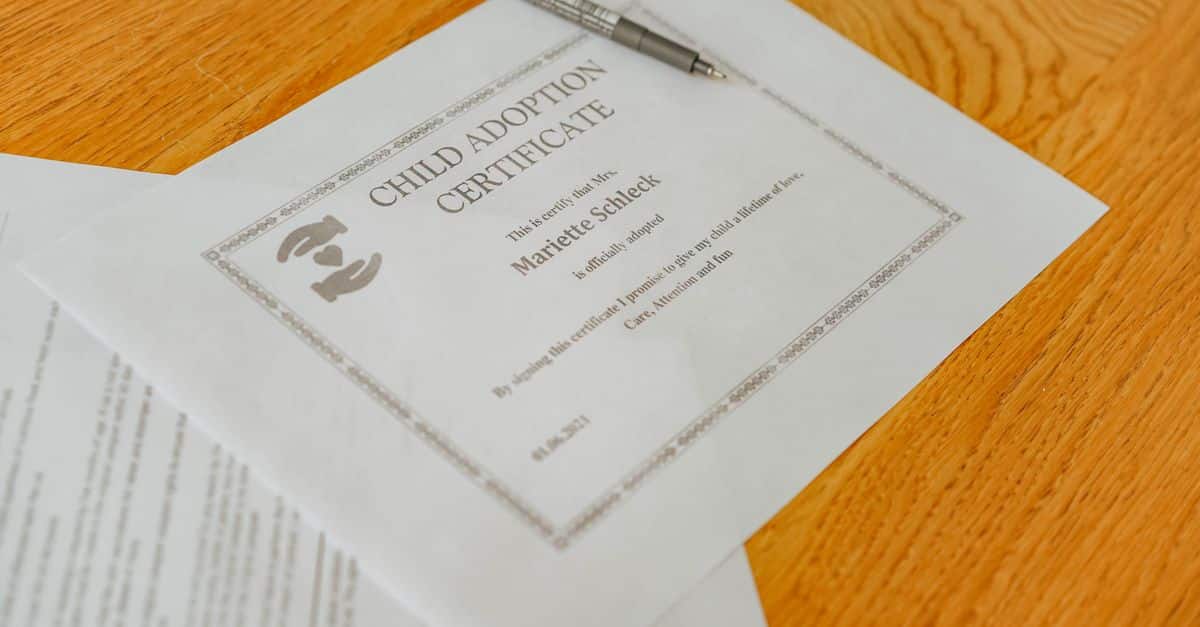
What a certified translation of a birth certificate means in practice
A certified translation is a translation accompanied by a signed declaration from the translator or translation company confirming that the content faithfully represents the source document. The exact form this takes varies by country. In Portugal, the standard for legal proceedings is a certified translation authenticated by a lawyer registered with the Portuguese Bar Association (Ordem dos Advogados) or by a notary. In Italy, translations must be sworn before a court. In Brazil, only a public sworn translator registered with the state commercial board (Junta Comercial) can produce a legally valid translation.
The practical point is this: a plain translation, however accurate, carries no legal weight in a nationality application. The authority receiving the documents will specify what certification they require. Confirming that requirement before commissioning the translation avoids having to redo the work.
The applicant typically needs to submit the original birth certificate, its certified translation into the language of the country processing the application, and — depending on where the document was issued — an apostille or consular legalisation.
Which documents require certified translation in a dual nationality process
The birth certificate is rarely the only document involved. Depending on the basis for the nationality claim and the country concerned, other documents commonly requiring certified translation include:
- Parent's birth certificate (when the right to nationality derives from descent)
- Marriage or divorce certificate (to establish filiation or civil status)
- Death certificate (in applications through a deceased ancestor)
- Criminal record certificate (required in many naturalisation processes)
- Passport or national identity card (in some cases)
In Portugal, nationality applications by attribution or naturalisation are handled by the Conservatória dos Registos Centrais (CRC) or by Portuguese consulates abroad. Any foreign document must be translated into Portuguese and, depending on its country of origin, apostilled or legalised through consular channels before submission.
For applications in other countries, requirements differ. It is worth checking with the receiving authority directly, as requirements evolve and applying the wrong certification format leads to delays.
Apostille, consular legalisation, and the correct order of steps
One of the most common and costly mistakes is translating a document before legalising it. The correct sequence is: legalise or apostille first, then translate.
If the birth certificate was issued in a country that is party to the Hague Apostille Convention, the process is straightforward: the competent authority in the issuing country affixes the apostille, and the apostilled document is then translated. The apostille removes the need for consular legalisation between Convention member states.
If the issuing country is not a party to the Convention, classic consular legalisation applies: authentication by the issuing country's ministry of foreign affairs, followed by legalisation at the destination country's consulate in that same country. Translation comes only after that chain is complete. Angola and Mozambique, for example, are not parties to the Apostille Convention — documents issued in either country require full consular legalisation, not an apostille.
Always confirm the current requirements with the receiving authority. International conventions and bilateral agreements change, and the receiving office's current practice is the definitive reference.
Mistakes that delay or invalidate the application
The errors that most commonly reach nationality registrars and consulate staff are predictable and avoidable:
- Translation without a certification statement: the translated document has no accompanying declaration of accuracy and is therefore treated as a plain translation.
- Wrong order: the document was translated before apostilling or legalisation, so the translation does not correspond to the officially stamped version.
- Partial translation: marginal notes, registration references, and post-registration annotations were omitted. Authorities require full translation of every field.
- Inconsistent proper nouns: names, place names, and official titles rendered differently across documents raise authenticity concerns.
- Certification by an unrecognised entity: some countries specify who may certify a translation. A declaration from a company not recognised by the receiving authority may be rejected.
These are not minor technicalities. A rejected document often means sourcing a new certified copy from the country of origin, which can take weeks or months.
Certified translation for nationality applications at M21Global
M21Global provides certified legal translation of birth certificates and civil status documents for nationality applications in Portugal and abroad. Translations cover the full document — including registration fields, marginal annotations, and the apostille or legalisation text — with a certification declaration matched to the requirements of the receiving authority.
With over 20 years of experience, ISO 17100:2015 certification from Bureau Veritas, and coverage of the language pairs most relevant to Portuguese emigration and immigration flows, the team handles English, French, German, Spanish, Italian, Portuguese, and other languages. For less common language pairs, availability is confirmed before accepting the project. You can find further guidance on the scope of these services in the overview of certified legal translation services.
If the documents are ready and the application is waiting on the translation, contact M21Global for a quote and receive a specific proposal for the language pair, document type, and certification format required.
Related Services
Request a free legal translation quote
- Request a free legal translation quote
- Certified Legal Translation Services
- Sworn Translation For Court Documents
- Legal Translation Services For Contracts
Frequently Asked Questions
What type of translation is accepted for a Portuguese nationality application?
The Conservatória dos Registos Centrais requires a certified translation, with the translator's declaration of fidelity authenticated by a lawyer or notary. A plain translation without any certification statement is not accepted.
Does a birth certificate need to be apostilled before it is translated?
Yes. The correct order is to apostille or legalise the original document first, then have it translated. Translating before apostilling can render the translation invalid, as the apostilled document is technically a different version of the original.
Can an Angolan birth certificate be apostilled for use in a nationality application?
No. Angola is not a party to the Hague Apostille Convention. Angolan documents destined for use abroad require classic consular legalisation: authentication by Angola's Ministry of Foreign Affairs, followed by legalisation at the destination country's consulate in Angola.
Does the translation have to include marginal notes and registration references, not just the main text?
Yes. Receiving authorities require full translation of every element of the document, including marginal annotations, post-registration entries, and archive references. Omitting any field is grounds for rejection.
How long does a certified translation of a birth certificate take?
Turnaround depends on the language pair, the number of documents, and the service level selected. For a single birth certificate, a few working days is typical. For urgent needs, contact the translation provider directly to confirm availability.